AVAILABLE 24 HOURS A DAY/7 DAYS A WEEK
 Careers
 Copy link


Cataracts are one of the most common eye conditions in seniors, affecting millions of older adults worldwide. As cataracts progress, they can cause blurry vision, glare sensitivity, and difficulty with everyday activities like reading and driving. The good news is that cataracts are highly treatable, especially when diagnosed early.
This guide explains everything seniors and caregivers need to know about cataracts, symptoms, causes, prevention, and treatment options.
What Are Cataracts?
A cataract occurs when the eye’s natural lens becomes cloudy, preventing light from passing through clearly. This cloudiness leads to gradual vision loss and is most often related to aging.
Cataracts can develop in one or both eyes and usually worsen over time if left untreated. Most adults over age 60 show early signs of cataracts, even if symptoms are not yet noticeable.
Common Cataract Symptoms in Seniors
Recognizing early symptoms of cataracts can help prevent vision-related accidents and loss of independence.
Signs of cataracts include:
-
Blurry or cloudy vision
-
Difficulty seeing at night
-
Sensitivity to light or glare
-
Faded or yellow-tinted colors
-
Halos around lights
-
Frequent changes in eyeglass prescriptions
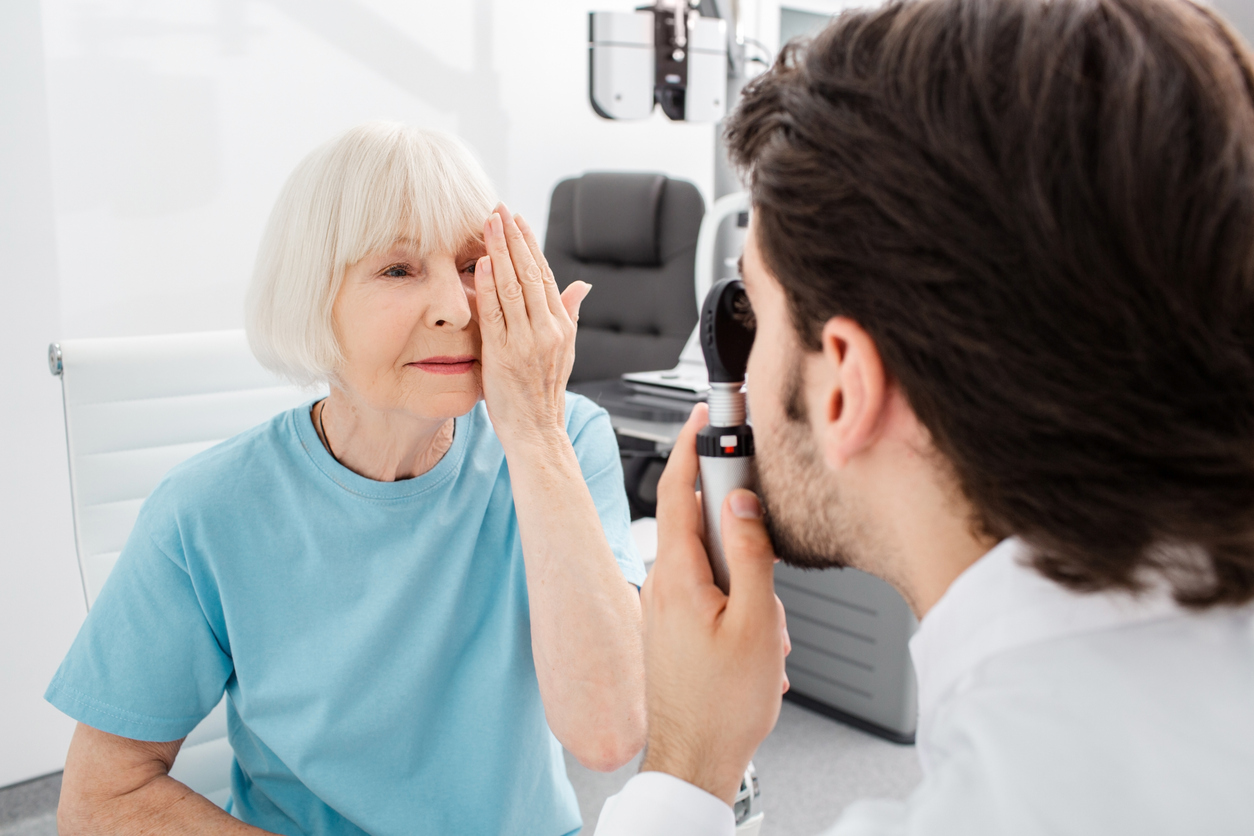
If you notice these symptoms, it may be time to schedule a comprehensive eye exam.
Why Cataracts Are a Serious Concern for Older Adults
Untreated cataracts can significantly affect a senior’s quality of life and safety. Poor vision increases the risk of falls, medication errors, and driving accidents. Vision loss may also lead to social isolation and reduced independence.
Early diagnosis and treatment of cataracts help seniors remain active, confident, and self-sufficient.
What Causes Cataracts in Seniors?
While aging is the most common cause, several factors can increase the risk of developing cataracts:
-
Long-term sun exposure (UV rays)
-
Diabetes
-
Smoking
-
Prolonged use of steroid medications
-
Family history of cataracts
-
Eye injury or prior eye surgery
Managing these risk factors can help slow cataract progression.
Cataract Treatment Options for Seniors
Non-Surgical Management
In early stages, cataract symptoms may be managed with:
-
Updated eyeglasses or contact lenses
-
Brighter lighting
-
Anti-glare sunglasses
Cataract Surgery for Seniors
When cataracts interfere with daily life, cataract surgery is the most effective treatment.
Cataract surgery is:
-
One of the safest medical procedures
-
Commonly performed on seniors in their 70s, 80s, and 90s
-
Typically completed in under 30 minutes
Most seniors experience significant improvement in vision, color clarity, and night driving ability.
How Seniors Can Prevent or Delay Cataracts
While cataracts cannot always be prevented, seniors can support long-term eye health by:
-
Scheduling regular eye exams
-
Wearing UV-blocking sunglasses
-
Eating eye-healthy foods like leafy greens and fish
-
Managing chronic conditions such as diabetes
-
Avoiding smoking
Preventive eye care plays a critical role in maintaining vision as we age.
When to See an Eye Doctor
If vision changes begin to interfere with daily activities, it’s important to consult an eye care professional. Early evaluation allows seniors to explore treatment options before vision loss becomes severe.
Final Thoughts: Clear Vision Is Possible at Any Age
Cataracts are a common part of aging—but they don’t have to limit your lifestyle. With routine eye exams, early detection, and modern cataract treatments, seniors can enjoy clearer vision and greater independence well into later life.
If you or someone you know is interested in care management or home healthcare services in South Florida, FirstLantic can help. We are locally owned and operated, providing our patients with the highest quality in-home care services in Fort Lauderdale (Broward County), as well as in-home care services in Delray Beach (Palm Beach County), North Miami (Miami-Dade) and Jupiter (Treasure Coast) since 2000. Click here to contact us.