AVAILABLE 24 HOURS A DAY/7 DAYS A WEEK
 Careers
 Copy link


Hurricanes can be dangerous for everyone, but older adults often face unique challenges during severe weather events. Limited mobility, medical needs, transportation concerns, and communication barriers can make emergency situations more difficult to navigate. The good news is that hurricane preparedness can significantly reduce risk and provide peace of mind.
This guide outlines essential steps seniors and their caregivers can take to stay safe before, during, and after a hurricane.
Why Hurricane Preparedness Matters for Seniors
According to emergency management experts, older adults are among the most vulnerable populations during hurricanes and other natural disasters. Power outages, evacuation orders, and disruptions to healthcare services can create serious complications for individuals who rely on medications, medical equipment, or regular care.
Planning ahead helps ensure that you have the resources and support needed when a storm threatens your community.
Before the Hurricane: Create a Personal Emergency Plan
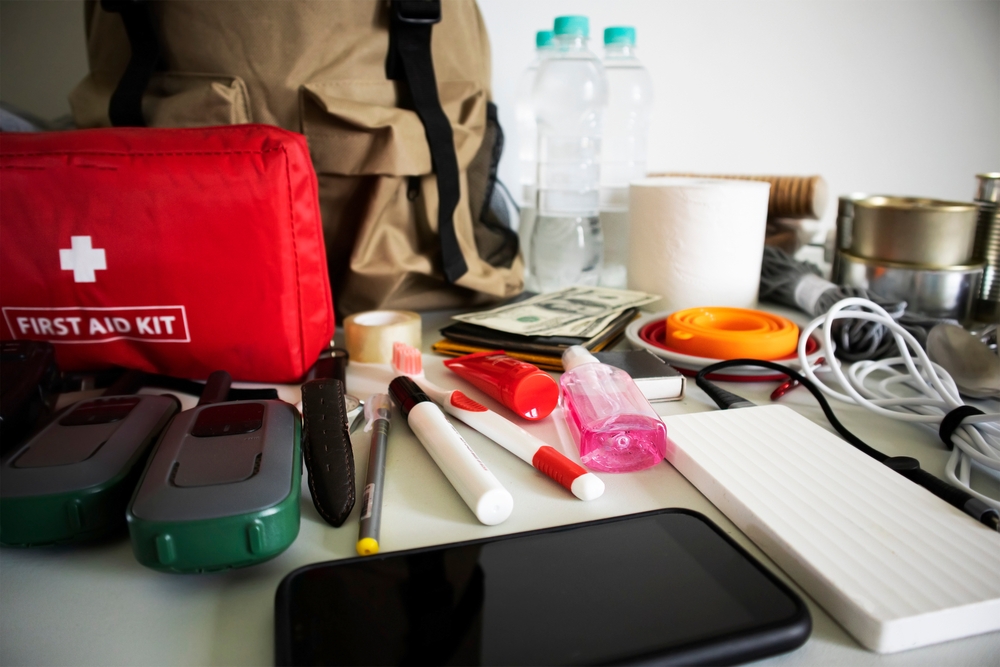
1. Build an Emergency Supply Kit
Prepare enough supplies to last at least seven days. Your kit should include:
- Bottled water (one gallon per person per day)
- Non-perishable food
- Flashlights and extra batteries
- Battery-powered or hand-crank radio
- First-aid supplies
- Personal hygiene products
- Cash in small bills
- Cell phone chargers and backup power banks
2. Organize Medications and Medical Information
Keep an updated list of:
- Prescription medications
- Dosages and schedules
- Doctors’ contact information
- Allergies and medical conditions
- Health insurance cards
Try to maintain at least a two-week supply of medications whenever possible.
3. Prepare for Medical Equipment Needs
If you use medical devices that require electricity, such as oxygen concentrators, CPAP machines, or mobility equipment:
- Contact your utility company about priority restoration programs.
- Register with local emergency management agencies if available.
- Have backup batteries or alternative power sources ready.
4. Plan Your Evacuation Route
Know where you will go if authorities issue an evacuation order.
Consider:
- Family or friends outside the evacuation zone
- Local shelters that accommodate seniors
- Special needs shelters if you require medical assistance
Practice your route and keep transportation arrangements in place.
5. Stay Connected
Create a contact list that includes:
- Family members
- Neighbors
- Caregivers
- Healthcare providers
- Emergency services
Share your evacuation plans with trusted contacts and establish a check-in schedule.
During the Hurricane: Stay Safe Indoors
If you are not evacuating:
- Stay inside and away from windows and glass doors.
- Move to an interior room on the lowest level that is not prone to flooding.
- Keep your emergency kit nearby.
- Monitor weather updates through local news or emergency alerts.
- Avoid using candles due to fire risks.
If power is lost, conserve phone battery life and use flashlights instead of open flames.
Special Considerations for Caregivers
Caregivers play a critical role in helping seniors prepare and respond to hurricanes.
Key responsibilities include:
- Reviewing emergency plans regularly
- Ensuring medications are stocked
- Arranging transportation if evacuation becomes necessary
- Maintaining copies of important documents
- Checking in frequently before, during, and after the storm
Caregivers should also have their own emergency supplies and backup plans.
After the Hurricane: Proceed with Caution
Even after the storm passes, dangers remain.
Watch for Hazards
Avoid:
- Floodwaters
- Downed power lines
- Damaged buildings
- Standing water that may contain contaminants
Check Your Health
Seek medical attention if:
- Medications have been lost or damaged
- Medical equipment is not functioning properly
- You experience symptoms of heat exhaustion, dehydration, or injury
Contact Family and Friends
Let loved ones know you are safe and update them on any immediate needs.
Important Documents to Keep Ready
Store copies of the following in a waterproof container:
- Identification cards
- Insurance policies
- Medical records
- Prescription information
- Emergency contact lists
- Property records
Consider saving digital copies on a secure cloud storage platform as well.
Final Thoughts
Hurricane preparedness is not just about weathering a storm—it’s about protecting your health, independence, and peace of mind. Seniors who prepare early are better equipped to handle emergencies and recover more quickly afterward.
Take time today to review your emergency plan, update your supplies, and talk with family members or caregivers about your hurricane preparedness strategy. A little preparation now can make a significant difference when severe weather strikes.
Remember: The safest hurricane plan is one made before a storm is ever in the forecast.
If you or someone you know is interested in care management or home healthcare services in South Florida, FirstLantic can help. We are locally owned and operated, providing our patients with the highest quality in-home care services in Fort Lauderdale (Broward County), as well as in-home care services in Delray Beach (Palm Beach County), North Miami (Miami-Dade) and Jupiter (Treasure Coast) since 2000. Click here to contact us.