AVAILABLE 24 HOURS A DAY/7 DAYS A WEEK
 Careers
 Copy link


Every second matters when it comes to a stroke. Often called a “brain attack,” a stroke occurs when blood flow to the brain is interrupted, depriving brain cells of oxygen and nutrients. That’s why stroke awareness is so important. Without immediate treatment, brain damage can happen within minutes. Understanding the warning signs and knowing how to respond can save lives and reduce long-term disability.
What Is a Stroke?
A stroke happens when blood flow to part of the brain is blocked or when a blood vessel in the brain bursts. There are three main types:
- Ischemic Stroke: Caused by a blood clot blocking blood flow to the brain. This is the most common type.
- Hemorrhagic Stroke: Occurs when a blood vessel ruptures and causes bleeding in the brain.
- Transient Ischemic Attack (TIA): Often called a “mini-stroke,” this is a temporary blockage that should never be ignored because it can be a warning sign of a future stroke.
Recognizing the Warning Signs
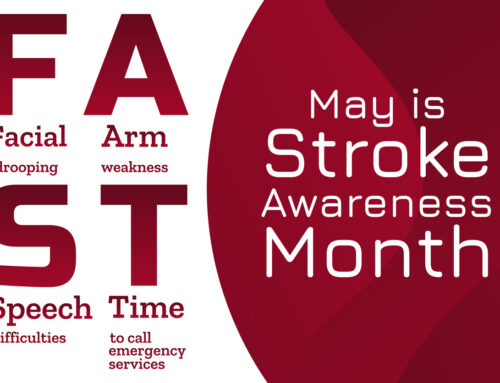
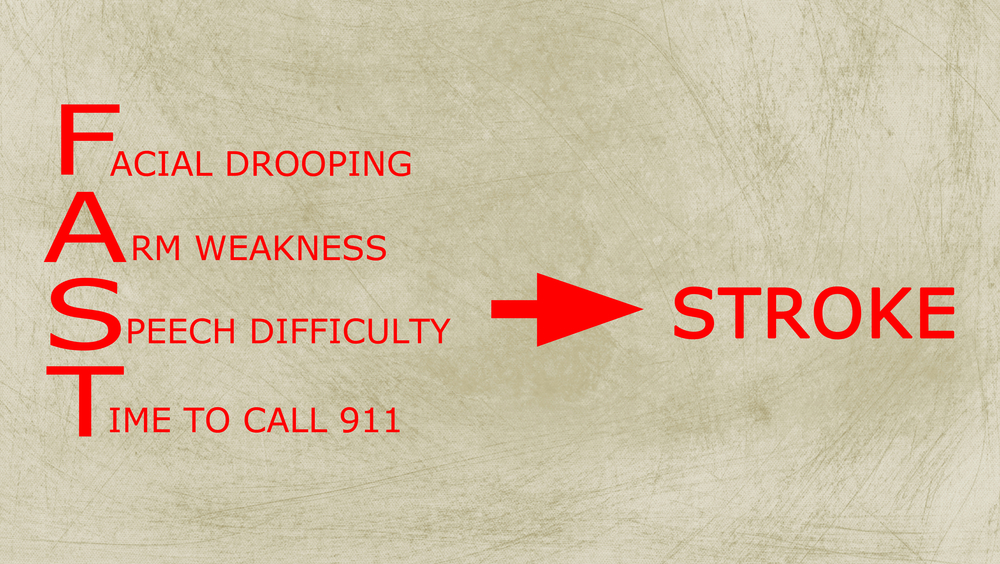
The easiest way to remember stroke symptoms is the acronym FAST:
F – Face Drooping
One side of the face may droop or feel numb. Ask the person to smile and check if it appears uneven.
A – Arm Weakness
One arm may feel weak or numb. Ask the person to raise both arms. Does one drift downward?
S – Speech Difficulty
Speech may become slurred or hard to understand. The person may struggle to repeat a simple sentence.
T – Time to Call 911
If any of these symptoms are present, call emergency services immediately. Quick treatment can make a major difference.
Additional symptoms may include:
- Sudden confusion
- Trouble seeing in one or both eyes
- Severe headache with no known cause
- Dizziness or loss of balance
- Difficulty walking
Why Immediate Action Matters
When a stroke occurs, nearly two million brain cells die every minute. Prompt medical care can reduce brain damage and improve recovery outcomes. Treatments such as clot-busting medication are most effective when given within a few hours after symptoms begin.
Never try to “wait it out.” Even if symptoms disappear quickly, seek medical attention right away.
Risk Factors for Stroke
Some stroke risk factors cannot be changed, such as age and family history. However, many risks can be managed through healthy lifestyle choices.
Common Risk Factors:
- High blood pressure
- Smoking
- Diabetes
- High cholesterol
- Obesity
- Physical inactivity
- Excessive alcohol consumption
- Heart disease
Stroke Prevention Tips
Taking care of your health can significantly lower your risk of stroke.
Healthy Habits Include:
- Monitoring and controlling blood pressure
- Eating a balanced diet rich in fruits and vegetables
- Exercising regularly
- Quitting smoking
- Maintaining a healthy weight
- Managing stress
- Attending regular health checkups
Supporting Stroke Survivors
Recovery after a stroke can be challenging and may involve physical therapy, speech therapy, and emotional support. Families and caregivers play a vital role in helping survivors regain independence and confidence.
Patience, encouragement, and access to rehabilitation resources can make a meaningful difference in recovery.
Final Thoughts
Stroke awareness saves lives. Knowing the signs, understanding the risks, and acting quickly during an emergency can help prevent serious complications. Share this information with family and friends — because recognizing a stroke early could save someone you love.
Remember: FAST action can save a life.
If you or someone you know is interested in care management or home healthcare services in South Florida, FirstLantic can help. We are locally owned and operated, providing our patients with the highest quality in-home care services in Fort Lauderdale (Broward County), as well as in-home care services in Delray Beach (Palm Beach County), North Miami (Miami-Dade) and Jupiter (Treasure Coast) since 2000. Click here to contact us.