 AVAILABLE 24 HOURS A DAY/7 DAYS A WEEK
 Careers
 Copy link


Eating nutritious foods is an important part of healthy aging, but how food is handled, prepared, and stored matters just as much. Food safety for seniors is particularly important because the immune system can become less effective at fighting infections with age.
Whether seniors prepare their own meals or receive assistance from a family member or caregiver, following a few simple food safety practices can help reduce the risk of foodborne illness.
Why Is Food Safety Especially Important for Seniors?
Adults age 65 and older can be at greater risk of becoming seriously ill from foodborne germs. Certain medical conditions and medications may also affect the body’s ability to fight infection.
That’s why seniors and caregivers should make food safety a regular part of meal preparation.
Follow the Four Basics: Clean, Separate, Cook and Chill
One of the easiest ways to remember good food safety practices is to focus on four important steps:
Clean: Wash your hands with soap and water before preparing or eating food. Keep countertops, cutting boards, dishes, and utensils clean. Rinse fresh fruits and vegetables under running water before preparing or eating them.
Separate: Keep raw meat, poultry, seafood, and eggs away from foods that are ready to eat. Using separate cutting boards for raw meat and produce can help prevent cross-contamination.
Cook: Cook foods thoroughly and use a food thermometer when appropriate. Don’t rely only on the appearance or color of food to determine whether it has been safely cooked.
Chill: Refrigerate perishable foods promptly and keep the refrigerator at 40°F or below. Avoid leaving perishable foods sitting at room temperature for extended periods.
Check the Refrigerator Regularly
It’s easy for leftovers and older food to accumulate in the refrigerator, especially for seniors who live alone.
Make a habit of checking the refrigerator each week. Throw away spoiled or questionable foods and label leftovers with the date they were prepared.
Remember: You can’t always tell whether food is safe by its appearance or smell. When you’re unsure about how long something has been stored, it’s safer to throw it away.
Thaw Frozen Foods Safely
Avoid thawing frozen meat, poultry, or seafood on the kitchen counter. Instead, thaw frozen foods in the refrigerator, use an appropriate cold-water method, or use the microwave if the food will be cooked immediately afterward.
Take Extra Care With Higher-Risk Foods
Older adults may want to take additional precautions with foods that have a greater risk of carrying harmful bacteria. These can include:
- Raw or undercooked meat, poultry, seafood, and eggs
- Unpasteurized milk, cheese, or juice
- Raw sprouts
- Certain refrigerated ready-to-eat foods
- Foods that have been improperly stored or left unrefrigerated
When grocery shopping, check food labels and expiration or use-by dates, and avoid damaged or leaking packages.
Don’t Forget Grocery Shopping Safety
Safe food handling starts before you even get home.
Shop for refrigerated and frozen products toward the end of your grocery trip. Keep raw meat and poultry separate from other groceries, and refrigerate or freeze perishable items promptly when you arrive home.
For seniors who have difficulty shopping independently, a home health aide can provide valuable assistance with grocery shopping and putting food away safely.
How Home Care Can Help With Food Safety
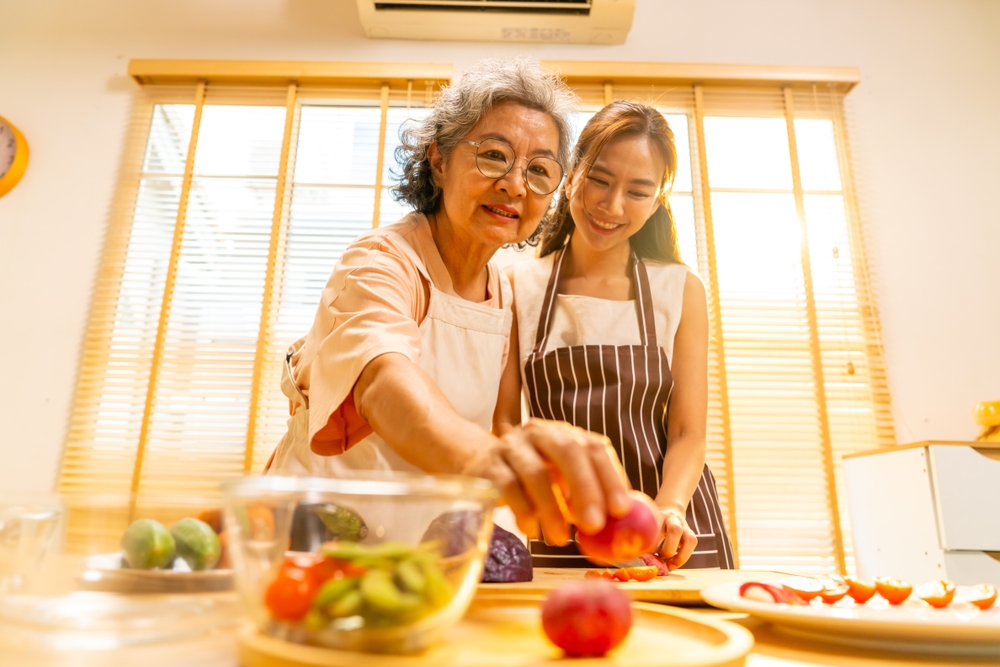
For some older adults, everyday tasks such as grocery shopping, preparing meals, cleaning the kitchen, and checking the refrigerator can become more challenging.
A home health aide can provide support with tasks such as grocery shopping, meal preparation, light housekeeping, and maintaining an organized kitchen. Having an extra set of hands can help seniors continue enjoying nutritious meals safely and comfortably at home.
Helping Seniors Stay Safe and Independent at Home
Food safety is one small part of maintaining a safe and healthy home environment. Simple habits—including washing hands, separating raw foods, cooking foods thoroughly, and refrigerating foods promptly—can make a meaningful difference.
At FirstLantic Healthcare, we understand that remaining independent at home often means having the right amount of support. Our caregivers can assist with everyday needs, including meal preparation, grocery shopping, light housekeeping, companionship, and other activities of daily living.
If you or a loved one could benefit from additional support at home, contact FirstLantic Healthcare to learn more about our home care services in South Florida.
If you or someone you know is interested in care management or home healthcare services in South Florida, FirstLantic can help. We are locally owned and operated, providing our patients with the highest quality in-home care services in Fort Lauderdale (Broward County), as well as in-home care services in Delray Beach (Palm Beach County), North Miami (Miami-Dade) and Jupiter (Treasure Coast) since 2000. Click here to contact us.